Taking your little one swimming is a wonderful way to bond, nurture their physical development, and build lifelong water confidence. However, when the cooler winter months arrive, it’s completely natural for parents to pause and wonder: Is it too cold to take my baby swimming?
The short answer is no! Continuing your baby and toddler swimming lessons year-round is vital for maintaining water confidence, sustaining progress, and building vital safety skills. Plus, the amazing physical, sensory, and emotional benefits of baby swimming remain just as strong in December as they do in July.
At Turtle Tots, we teach all our classes with love, care, and a child-led approach. To help you enjoy splashing around whatever the weather, our expert swim teachers share 5 top tips for keeping your baby or toddler warm, happy, and confident in the water this winter.
1. Choose a Heated Pool with the Right Water Temperature
One of the most common questions new parents ask us is, “What temperature should the pool be for baby and toddler swimming?”
To keep your little turtle cozy and comfortable:
- For babies (under 3 months): A water temperature of 32-33°C is essential.
- For babies (3 – 12 months): Look for pool temperatures between 30°C and 32°C.
- For toddlers: A pool temperature of 29°C to 32°C is ideal.
If your baby is over three months old, swimming in pools 29°C and above is perfectly fine, provided they wear a specialized thermal wetsuit to retain body heat.
At Turtle Tots, all our baby and toddler swimming lessons take place in carefully selected, warm, temperature-controlled pools. If you’re planning a casual family swim outside of class, always call the venue ahead of time to double-check their water temperature.
2. Invest in Thermal Baby & Toddler Swimwear
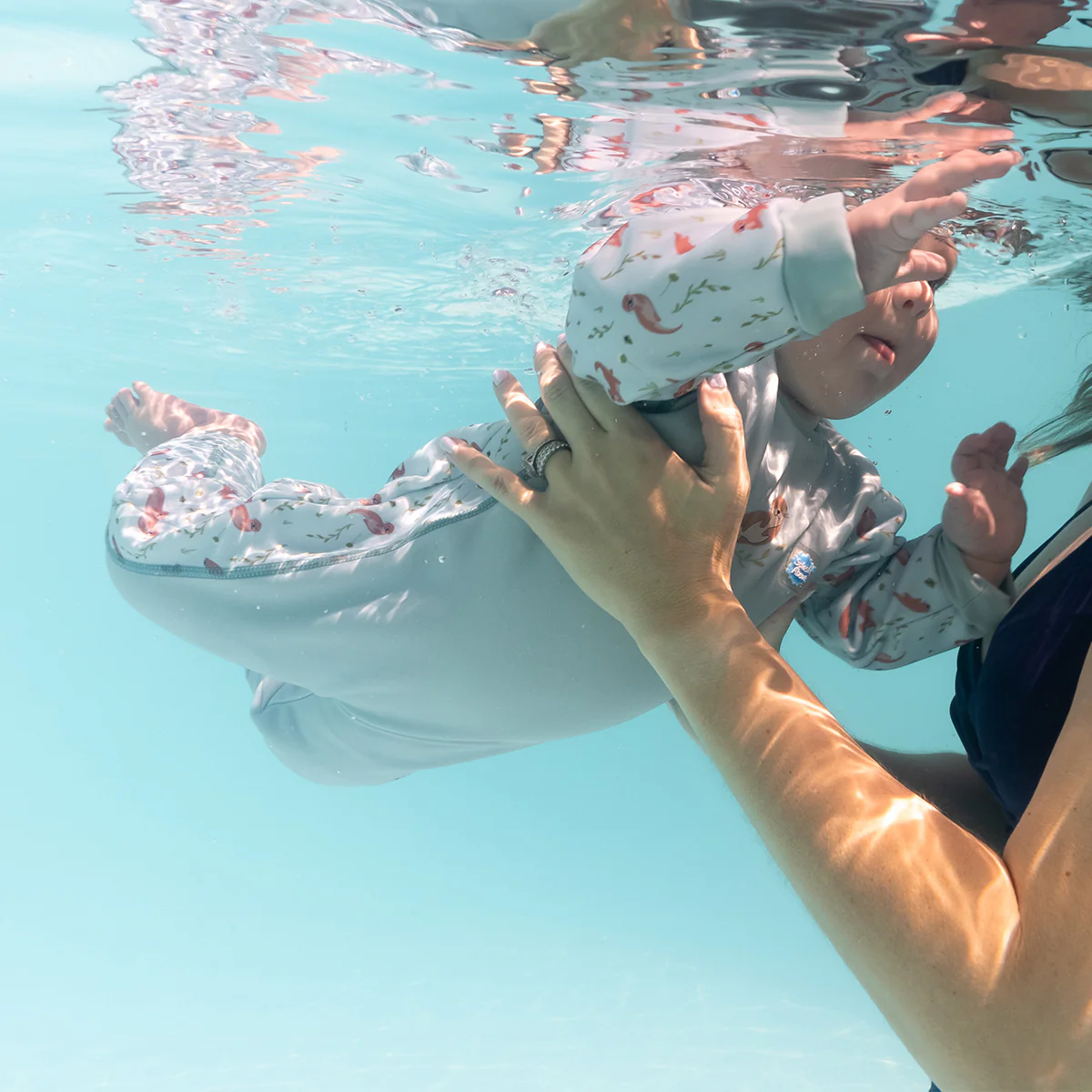
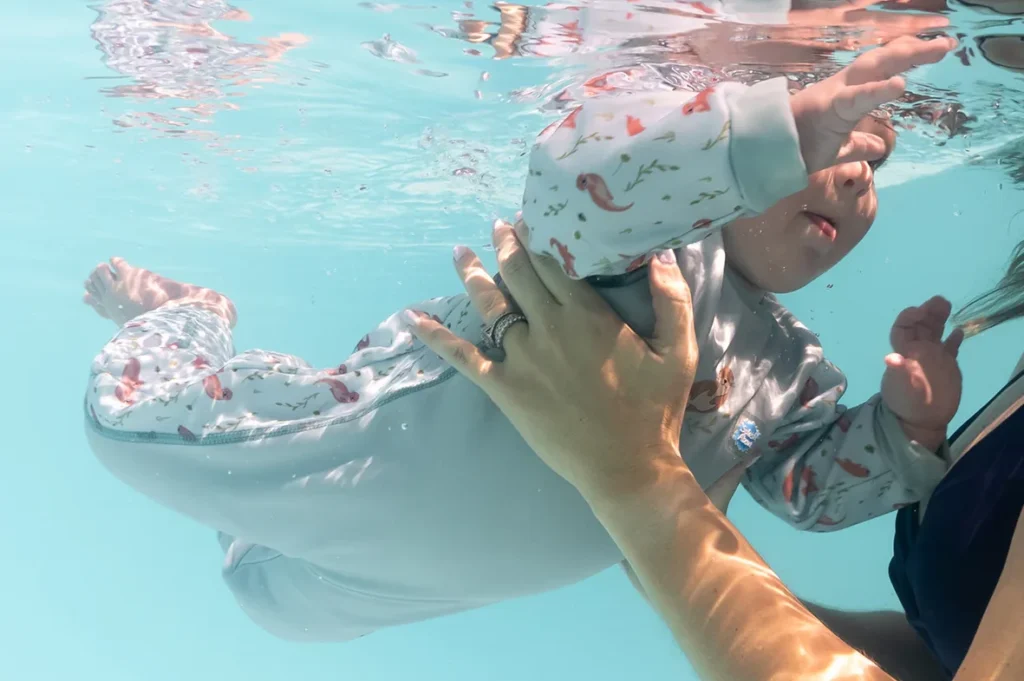
Choosing the right swim apparel is essential for keeping your child snug during winter swimming sessions. Thermal suits act as an extra layer of warmth, extending pool time while keeping fuss to a minimum.
Here are four recommended options for winter baby and toddler wetsuits:
- Warm In One Wetsuit: Featuring a soft fleece lining, this full-body suit is designed to keep babies warm both in the pool and during the walk to the changing room. The snug fit helps retain barrier creams, making it perfect for babies with sensitive skin.
- BabyWrap Wetsuit: Ideal for active splashers! BabyWraps keeps core body temperature warm while leaving arms and legs free to kick and splash without restriction. It lays flat for effortless, stress-free changing.
- Thermaswim Toddler Suit: Designed specifically for busy toddlers, this soft thermal suit features 3/4 length sleeves and knee-length shorts. It provides freedom of movement so toddlers can practice their big swimming arms while staying snugly warm.
- Silicone Swim Caps: For older toddlers and preschoolers, a lightweight silicone swim cap helps retain heat lost through the head.
3. Plan Ahead for Changing Time (Before & After the Dip)
Keeping your child warm before entering the water and immediately after exiting is key to a calm, enjoyable experience.
- Before the lesson: Wrap your baby in a soft towel or hooded robe while you get ready so they stay warm poolside.
- After the lesson: Have your towel ready at the poolside edge. Wrap your child up as soon as you step out of the water. Dry them thoroughly, pay extra attention to their hair, and dress them in warm, breathable layers right away.
- Don’t forget the hat: Babies and young children lose a significant amount of heat through their heads, so put a snug woolen hat on them before heading out to the car.
4. Tune In to Your Child’s Cues & Temperature Signs
Young children are more sensitive to temperature shifts than adults, and their bodies cool down much faster. At Turtle Tots, we always advocate for a child-led approach, listening to your baby’s subtle body language.
Watch for these early signs that your child might be feeling chilly:
- Shivering, shaking, or lip-trembling
- Pale, mottled, or blotchy skin
- Cold hands and feet
- Sudden fussiness or loss of interest in play
- They tell you they feel cold
If you spot any of these signs, gently end the session, wrap them up in a dry towel, and snuggle up to warm them back up. Listening to your child ensures that swimming remains a positive, stress-free bonding activity.
5. Keep Moving with Fun, Interactive Water Games
Winter days can feel long, making structured baby and toddler swimming lessons a bright, social highlight of the week!
Active movement naturally keeps your toddler’s body warm in the water. In our Turtle Tots classes, we incorporate:
- Nursery rhymes and interactive splashing games
- Kicking practice and big “turtle swimming” arm movements
- Fun racing games and gentle water play
When children associate winter swimming with fun, music, and joyful bonding, they build positive memories that last a lifetime—no matter the season!
Enjoy Baby & Toddler Swimming All Year Round!
Whether you’re embarking on your baby’s very first swim or keeping your adventurous toddler active during the colder months, winter swimming is a rewarding experience for the whole family.
Ready to dive in? Our gentle, child-led baby and toddler swimming lessons take place in warm, welcoming pools across Ireland.
Share this post