By Krystle Collins, Turtle Tots HQ
There is nothing quite like the heart-wrenching sight of those sore, red eczema patches on your little one’s arms, legs, or tummy. Eczema can be a real worry for parents when starting baby swimming lessons, causing discomfort, itchiness, and flare-ups that make you hesitate before diving into the pool. I completely understand—I struggled with severe eczema growing up, and when my own son inherited it, the mam-shame was real. As both a parent and a swimmer, my heart goes out to any family navigating sensitive skin, but having eczema shouldn’t mean missing out on the joy and vital life skill of learning to swim!
If you are wondering whether your little one has eczema, it is always best to consult your GP for a formal diagnosis, as several childhood skin conditions look similar but require different care. Typically, baby eczema appears as patches of dry, red, inflamed skin that can crack, weep, and become intensely itchy. But whether your child has a diagnosed skin condition or simply experiences sensitive, dry skin after pool time, read on for our ultimate guide to swimming with baby eczema.
While dermatitis and eczema look similar, their root causes differ. Eczema is an autoimmune response to triggers, and the gene responsible is closely linked to asthma. In babies and toddlers, skin is delicate and thin, making it extra sensitive to environmental factors, crawling surfaces, and new foods introduced during weaning. The good news? Many children naturally outgrow eczema as their immune system matures, and with a few smart precautions, pool chlorine doesn’t have to stand in the way of your family’s swimming journey.
While food allergens often trigger flare-ups, environmental factors like pool chlorine can strip natural oils from sensitive skin. Chlorine is essential for keeping pool water clean and safe, but you don’t need to skip your swimming lessons! With a simple pre- and post-swim skincare routine, you can easily protect your baby’s skin barrier so they can swim comfortably and happily.
1. Create a Protective Barrier with Silcock’s Base
Silcock’s Base is a brilliant, budget-friendly emollient moisturiser. Because it is petrolatum-based, it creates a waterproof barrier on your baby’s skin that stays in place while swimming (unlike water-based lotions that wash away instantly). We recommend applying a generous layer of Silcock’s Base at least 30 minutes before your Turtle Tots lesson. This gives it time to absorb and create an effective protective layer against pool chlorine. Trusted Irish brands like Elave and Ovelle offer baby-safe options widely available in pharmacies and supermarkets nationwide.
2. Wear Protective Baby Wetsuits & Thermal Swimsuits
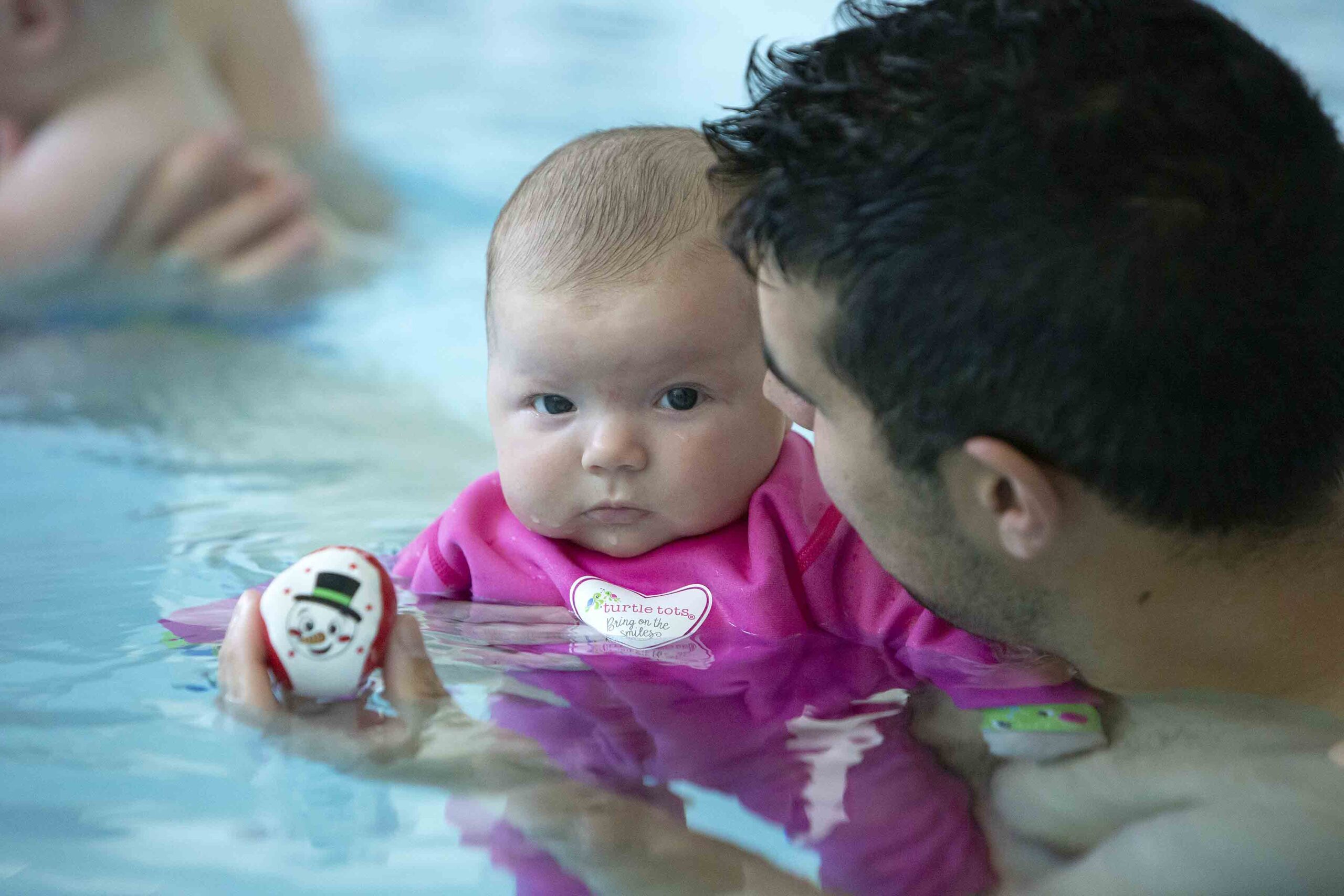
While barrier creams work wonders, they can make bare baby skin slippery to hold in the pool! To keep your little splashers secure and warm, full-coverage swim gear is a game changer. Specialist baby wetsuits cover arms, legs, and torso, locking in moisturiser while giving parents a safe, non-slip grip. Our fleece-lined Warm In One Wetsuits are ideal for babies with eczema, while our Thermaswim Suits for toddlers also restrict water flow against sensitive skin, helping barrier creams stay put throughout class.
3. Neutralise Chlorine with a Vitamin C After-Swim Body Wash
Did you know standard baby soap and body washes don’t actually break down chlorine? Washing with regular shower gel can leave chlorine residue sitting on your baby’s delicate skin and hair after their lesson, drying it out further and triggering eczema flare-ups.
Switching to a specialist chlorine-neutralising swim wash makes all the difference. These formulations harness Vitamin C to instantly break down pool chlorine. The Childs Farm 3-in-1 Swim Wash is a staple in my swim bag—it is gentle on sensitive skin, easy to grab at Boots or Tesco, and smells lovely. (Pro-tip: it’s fantastic for adults too!). On indulgent days, ‘Honey I Washed The Kids’ Shower Gel from Lush also works brilliantly thanks to its rich citrus ingredients that tackle chlorine lingering on skin.
Looking for a budget-friendly DIY option? Drop a dissolvable Vitamin C tablet into a mist spray bottle filled with water. Spritz your swimmer before their shower rinse to neutralize pool chemicals effortlessly!
4. Rehydrate & Nourish Post-Swim
Always rehydrate your baby’s skin thoroughly after showering. While Silcock’s Base can be reused post-swim, applying a soothing, deep-hydrating emollient lotion works best to lock in moisture. Highly recommended baby-safe creams for eczema include MooGoo Baby Soothing Moisturiser and Aveeno Baby Dermexa.
With these practical skincare tips, your family can confidently enjoy baby swimming lessons without worrying about eczema or dry skin flare-ups. Have questions about pool temperatures, baby wetsuits, or preparing for your first class? Reach out to our friendly Turtle Tots team today—we are always happy to help!
Share this post